Always Ready, Rarely Seen: What Understudies Know About a Role That Stars Sometimes Don't

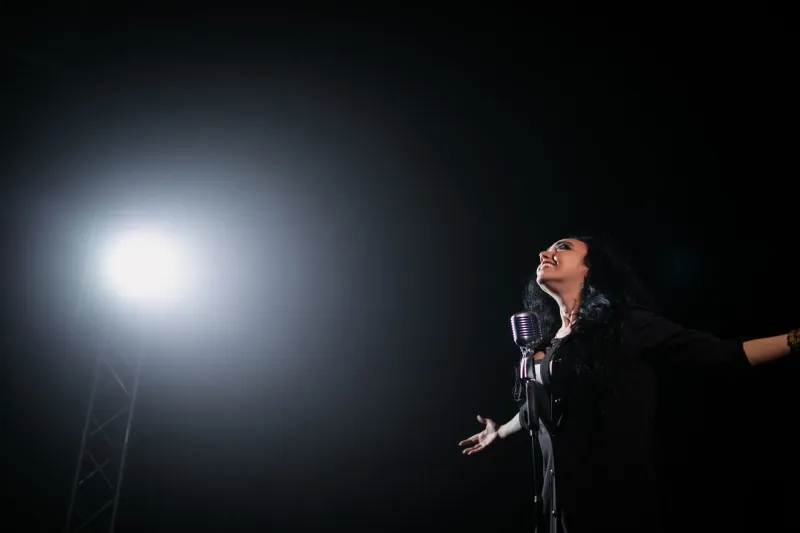
Photo by Photo by Kazuo ota on Unsplash on Unsplash
There's a particular kind of performer who knows every line, every blocking note, every emotional pivot point of a role — and almost never gets to show it. They sit in the wings. They watch from the house. They run lines alone in dressing rooms that smell like someone else's hairspray. They are the understudy, and for a long time, the industry treated the position like a consolation prize.
But here's the thing nobody really talks about: the understudy is often the most prepared person in the building.
The Strange Gift of Being Second
When you're cast as a lead, the pressure is immediate and enormous. You're in every rehearsal, every note session, every costume fitting. You're making decisions on the fly, absorbing director feedback, managing your own nerves while simultaneously trying to build a character from scratch. It's a full-contact creative sprint.
The understudy? They have time. Not idle time — study time. They watch the same scenes over and over without the anxiety of being in them. They observe the lead's choices and ask themselves, quietly, why that choice? And then, inevitably, what would I do instead?
That question — what would I do? — is one of the most powerful tools an actor has. And understudies are forced to ask it constantly, rigorously, and without the pressure of an audience waiting for an answer.
Watching as a Form of Mastery
There's a reason directors and acting coaches have always advocated for watching great performers work. Observation is its own kind of learning. But most performers, once cast in a role, stop being observers. They become participants, which is necessary — but it closes off a certain kind of analytical distance.
Understudies don't lose that distance. They sit with the text in one hand and a bird's-eye view of the production in the other. They notice when a scene lands differently on a Tuesday than it did on a Thursday. They clock the moments where the lead's energy dips, where the pacing stalls, where the emotional logic feels slightly off. And they file all of it away.
Actor and Broadway veteran Sutton Foster has spoken in interviews about the formative value of ensemble and cover work early in her career — how being around productions without the full weight of carrying them gave her room to absorb craft she wouldn't have had time to study otherwise. That kind of behind-the-curtain education doesn't show up on a résumé, but it absolutely shows up in a performance.
The Moment the Wings Become the Stage
When an understudy finally steps into the role — whether it's because the lead is sick, injured, or simply unavailable — the dynamic shifts completely. And what often happens is remarkable.
Because they've spent weeks (sometimes months) preparing without the spotlight, they've developed something the lead may not have had time to build: intentionality. Every choice they make is considered. Every line reading has been tested internally, questioned, refined. They're not reacting to the pressure of the moment so much as executing a plan they've been quietly building since day one.
This doesn't mean understudies are always better than leads — that's not the point. But they often arrive at their first full performance with a kind of groundedness that takes leads several shows to find. The understudy has been living in the role's architecture long enough to know where all the doors are.
What This Teaches Us About Preparation
There's a cultural obsession in entertainment with visibility. With being chosen first, being the one, being the name above the title. And that obsession can distort how we value preparation. We treat readiness as a means to an end — you prepare so you can perform — rather than as something with its own intrinsic worth.
The understudy experience challenges that. It asks: what if preparation is the work, even when the performance never comes? What if the deepest understanding of a role happens in the quiet hours before anyone's watching?
Some of the most respected performers in American theater have understudy histories that shaped everything that came after. Bernadette Peters. Liza Minnelli. Chita Rivera. The cover work, the watching, the endless readiness — it built something in them that the fast track to stardom might have skipped.
Visibility Isn't the Same as Understanding
Here's the uncomfortable truth the industry doesn't love to advertise: being seen and being ready are not the same thing. In fact, they're sometimes in direct tension. The performer who gets the role first often has to learn it in public — in front of audiences, critics, and industry eyes — while the understudy gets to learn it in private, without consequence.
Private learning is underrated. It's where real experimentation happens. It's where you can try a choice that fails completely and just... try something else tomorrow. The understudy doesn't have to protect a performance; they have to find one. And that searching, when it finally meets a stage, can produce something electric.
There's also something to be said for the hunger it creates. When you've watched someone else inhabit a role you know as well as they do, the moment you finally get your shot carries a particular kind of fuel. It's not desperation — it's readiness with stakes. And audiences feel that, even when they don't know why.
A Different Kind of First
Maybe it's time to retire the idea that second choice means second best. In the world of performance, the path to a role matters as much as the arrival. And the understudy's path — winding, patient, full of watching and waiting and quietly building — often leads somewhere more deeply understood than the straight line from audition to opening night.
Being first to the role and being first to understand the role are two very different things. And sometimes, the person who got there second figured it out first.
That's not a consolation. That's a craft.