Crowd Control: What Hostile Rooms Actually Teach You About Your Own Work

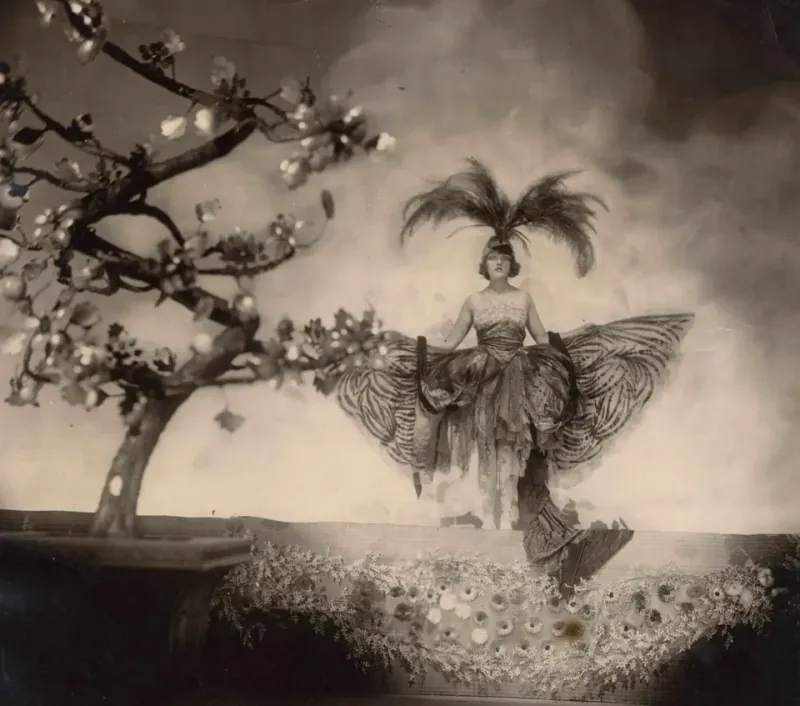
Photo: White, Public domain, via Wikimedia Commons
The Room That Wouldn't Budge
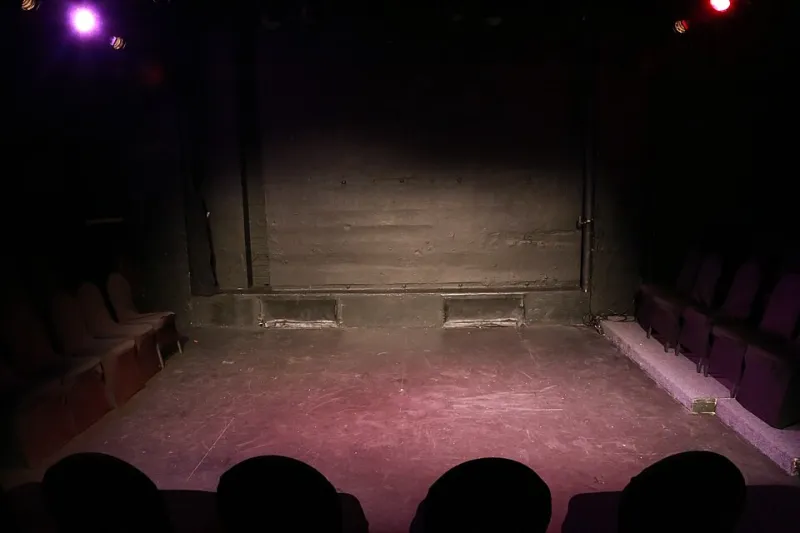
There's a particular kind of quiet that every performer learns to dread. Not the hushed, leaning-in silence of an audience hanging on your next word — the other kind. The kind where you can hear someone's drink order being placed at the back bar, where phones are glowing in the dark like little indictments, where the energy in the room is simply pointed somewhere else. Somewhere that isn't you.
Most performers spend their early careers trying to survive those nights. The goal becomes endurance — get through it, get offstage, get a drink, and never talk about it again. But here's the thing about hostile or indifferent audiences: they are, without question, the most honest feedback mechanism in the entire industry. And learning to actually use that feedback instead of just absorbing the damage? That's where the real craft development happens.
Silence Is Data
When a crowd loves you, they're responding to the finished product. They're reacting to the polish, the confidence, the material that already works. You can't learn much from that except what to repeat. But when a crowd goes cold — when a joke lands flat, when a scene loses the room, when a song doesn't connect — you're suddenly getting a live diagnostic on the inner workings of your own performance.
Comedy is probably the most obvious example here. Stand-up comedians talk about bombing the way athletes talk about film study — with a certain grim reverence. The late Patrice O'Neal, widely regarded as one of the most fearless performers of his generation, was legendary for not just accepting a rough crowd but engaging it directly, treating the resistance as part of the show. He'd stop, acknowledge the disconnect, and work through it in real time. The resulting material was often sharper than anything he'd prepared in advance.
That's not stubbornness. That's a performer who understood that the heckler — whether it's one loud voice or an entire room of crossed arms — is giving you something. You just have to know how to unwrap it.
The Specific Feedback You Can't Buy
Here's what an indifferent audience reveals that an adoring one never will:
Where your pacing actually breaks. When people are with you, they forgive transitions. When they're not, every slow moment becomes a trapdoor. A flat room exposes the seams in a performance that enthusiasm normally papers over.
Which parts of your material you believe and which parts you're just performing. Audiences — even difficult ones, maybe especially difficult ones — are remarkably good at detecting sincerity. If you're going through the motions on a bit or a scene, a cold room will find it. Every time.
How you actually behave under pressure. The version of yourself that shows up when things are going wrong is, in many ways, the truest version of your artistic identity. Do you get defensive? Do you shrink? Do you lean in harder? That response tells you something important about who you are as a performer.
When Pushback Is the Point
Some performers have built entire careers on material that initially met resistance. The first time certain comedians tried out observations about race, class, or politics in front of mainstream crowds, the silence was deafening. The instinct might have been to sand those edges down, to make the material more comfortable. The ones who didn't — who instead interrogated why the material was landing wrong and refined the delivery rather than the idea — often ended up with their most defining work.
Theater performers know this too. There's a reason out-of-town tryouts exist. Broadway productions routinely spend weeks in front of audiences in regional markets specifically because those audiences are less forgiving, less predisposed to love something because of its reputation or its budget. The friction of a skeptical crowd in previews has saved more shows than any amount of workshop development.
Learning to Interpret, Not Just Endure
The shift from surviving a bad room to actually learning from one requires a pretty significant mental reframe. It means treating the discomfort as information rather than punishment. It means resisting the very human urge to blame the audience — they're too drunk, too corporate, too young, too old — and instead asking what you could have done differently.
This doesn't mean the audience is always right. Sometimes a room really is wrong for a particular act, and that's useful data too — knowing your audience, understanding where and for whom your work resonates, is its own kind of craft. But even in those mismatches, there's something to be learned about presentation, framing, and the assumptions you're carrying into a performance.
One useful practice: in the immediate aftermath of a rough show, before the defensiveness fully sets in, try to identify the exact moment the room changed. Not the whole show — the moment. Usually there's a specific beat where you lost them, and finding it with honesty is worth more than a hundred nights of easy applause.
The Long Game
The performers who last — the ones who are still doing interesting, evolving work ten and twenty years in — almost universally have a healthy relationship with failure. Not a masochistic one, not a performative one, but a genuinely curious one. They've learned to be students of their own worst nights.
The heckler, the cold room, the brutal silence between a punchline and nothing — these aren't just obstacles. They're the curriculum. And the performers who treat them that way tend to build something a lot more durable than the ones who only ever played to the crowd that already loved them.