Pressing Pause: What Happens When Artists Stop Performing and Start Listening
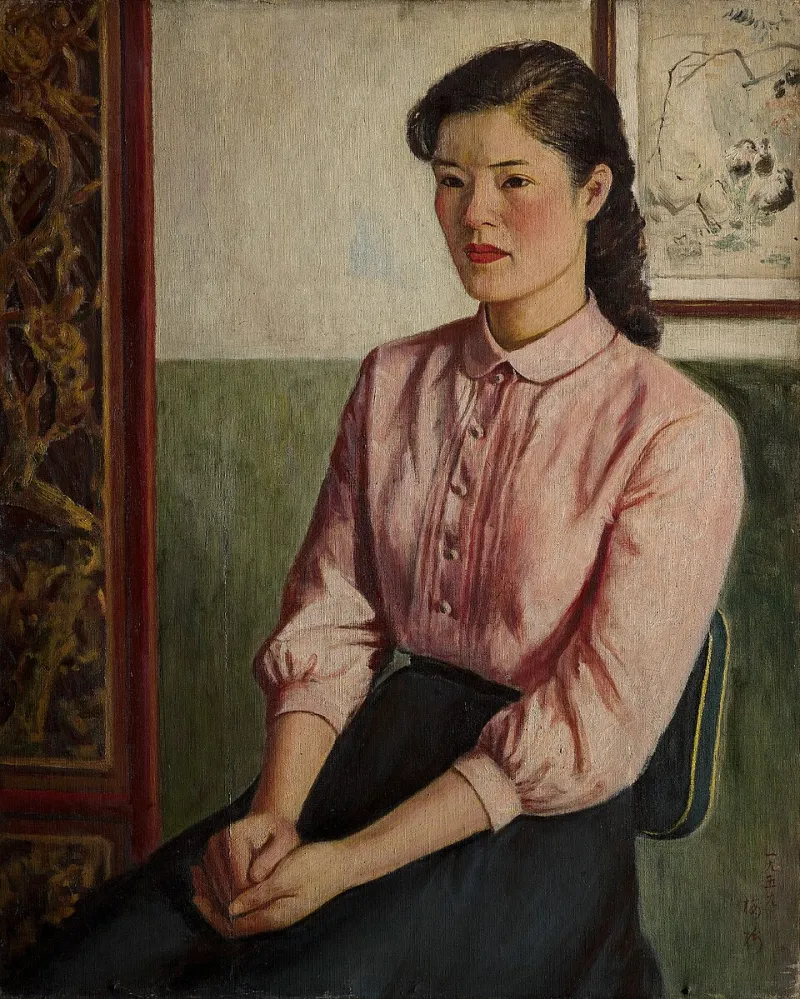
Photo: Li Mei-shu, CC BY-SA 4.0, via Wikimedia Commons
There's a particular kind of pressure that lives inside the entertainment world — this unspoken rule that says stopping, even for a moment, means you're falling behind. Miss a tour cycle, skip a season, take six months off social media, and suddenly the narrative around you shifts. People start asking questions. Are they okay? What happened? Is it over?
But something interesting is going on beneath that noise. Quietly, steadily, a growing number of performers and artists are choosing — or being forced into — periods of real stillness. And what's coming out the other side of those silences is, in a lot of cases, the most honest and original work of their careers.
The Hustle Myth and Why It's Exhausting
For decades, American entertainment culture has operated on a pretty specific mythology: the harder you grind, the better you get. More shows, more releases, more content, more visibility. The idea that rest is a reward you earn after success — not a tool you use to reach it — is baked into how most artists are trained to think about their work.
But ask any working performer what happens when they've been on the road for eighteen months straight, or when they've been releasing music quarterly just to stay algorithmically relevant, and you'll hear a version of the same thing: the work starts to feel hollow. You're producing, but you're not really creating.
That distinction — between producing and creating — is where the conversation gets interesting.
What Silence Actually Sounds Like
For some artists, the break isn't chosen. Injury, illness, burnout, personal loss — the entertainment industry has a way of making those interruptions feel like failures. But a number of performers have started talking openly about how those forced pauses rewired their entire relationship to their craft.
Consider the pattern you see across disciplines: the theater actor who blows out their voice mid-run and spends three months in vocal rest, only to return with a completely different understanding of breath and resonance. The visual artist whose studio floods, destroying years of work, who then starts painting on found materials because that's all they have. The musician who cancels a tour for mental health reasons and, in the absence of the stage, remembers why they fell in love with songwriting in the first place.
These aren't anomalies. They're a recurring story about what happens when the external pressure drops away and an artist is left alone with their instincts.
The Creative Case for Doing Nothing
There's actual science behind this, though you don't need a research paper to feel it. The brain's default mode network — the part that activates when you're not focused on a task — is deeply connected to imagination, memory, and the ability to synthesize ideas in unexpected ways. In other words, daydreaming and downtime aren't wastes of time. They're when a lot of the real creative work happens.
The problem is that most working artists never let themselves get bored. There's always a rehearsal, a callback, a deadline, a meeting. The space where new ideas might have formed gets filled before it can breathe.
Artists who've taken meaningful breaks — whether they wanted to or not — often describe the first few weeks as genuinely uncomfortable. The absence of structure, of purpose, of an audience. And then, somewhere in that discomfort, something shifts.
Rediscovering the Work
What tends to emerge from these periods isn't just refreshed energy — it's a different kind of artistic clarity. Artists come back with stronger opinions about what they actually want to make versus what they've been making out of habit or expectation.
That recalibration shows up in the work itself. Albums recorded after long breaks tend to sound less polished in the commercial sense and more personal in the emotional one. Performances that follow a hiatus often carry a different quality of presence — like the performer has something to prove again, or more accurately, something to say again.
There's also something to be said for the way stepping away from an audience changes your relationship to one. When you're not performing constantly, you start to miss it in a way that reconnects you to why you started. The hunger comes back — and hunger, creatively speaking, is a pretty useful thing.
Rewriting the Narrative Around Breaks
The cultural conversation around artist hiatuses is slowly shifting. Where a break once read as a red flag — career trouble, personal crisis, commercial irrelevance — it's increasingly being reframed as a legitimate creative strategy. Some artists are even building intentional gaps into their schedules, treating downtime the way elite athletes treat recovery: not as the absence of training, but as part of it.
That reframe matters because it changes what artists allow themselves to do. If a break is failure, you'll fight it until you collapse. If a break is a tool, you'll use it wisely.
For anyone watching from the outside — fans, industry folks, fellow creatives — it might be worth reconsidering what we celebrate. The artist who drops something every three months or the one who disappears for a year and comes back with something that genuinely surprises you?
Sometimes the silence is where the real work is happening. You just can't hear it yet.