One Yes, Everything After: The High-Stakes Moments That Rewrite a Performer's Story
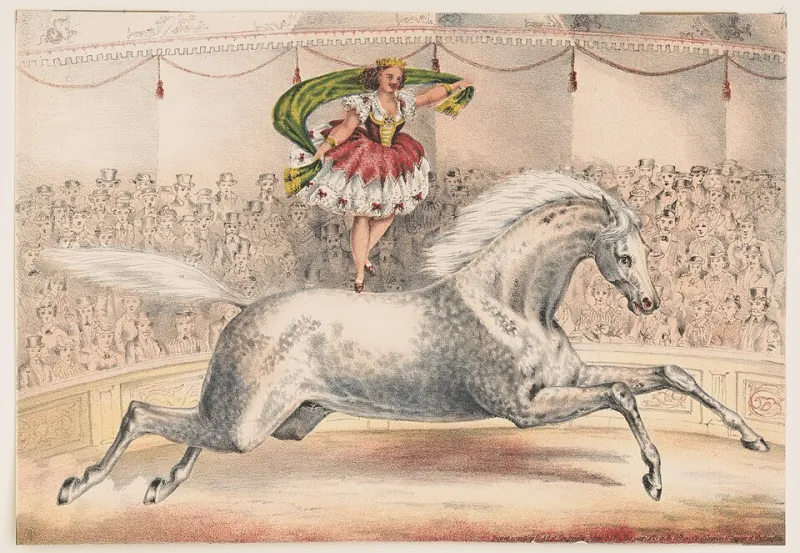
Photo: Popular Graphic Arts, Public domain, via Wikimedia Commons
There's a version of the story that gets told a lot. Artist struggles, artist gets the call, artist says yes, artist blows up. Credits roll. Everyone claps.
But the version that doesn't get told as often? The one where the call came at the wrong time, from the wrong project, wrapped in the right amount of money and prestige. The one where saying yes didn't open a door so much as quietly lock a different one behind them.
For performers at every level—from regional theater leads to recording artists on the verge of a breakthrough—a single opportunity can rewrite everything. And not always the way they planned.
The Gravity of a Single Decision
What makes these moments so hard to navigate is that they never look like traps. They look like gifts. A major label offering a deal with creative restrictions buried in clause 14. A Broadway credit that requires abandoning an indie tour that was building real momentum. A collaboration with a bigger name that pulls your own sound completely out of focus.
The pressure to say yes is enormous. In an industry where momentum matters and visibility is currency, turning down a high-profile opportunity can feel like career suicide. So artists say yes. And then they live inside that decision for years.
One thing that comes up again and again when you talk to working performers is the concept of identity drift—the slow, almost imperceptible way that a major opportunity can pull you away from the artist you were when you walked in. You start adjusting your sound, your aesthetic, your public persona to fit the context of the gig. And after a while, you look up and realize you've been performing a version of yourself that you didn't exactly choose.
When the Gig Fits the Wrong Frame
Consider what happens when a performer gets attached to a project that's much bigger than anything they've done before—a major film role, a headlining festival slot, a high-profile brand partnership. On paper, it's a win. But the frame around that opportunity shapes how the public sees you going forward.
If you're a serious dramatic actor and your breakthrough is a broad comedy, you may spend the next decade fighting to be taken seriously in rooms that now only see you one way. If you're a folk songwriter and your first big placement is on a reality TV competition show, the audience that finds you through that context may not be the audience you were trying to reach.
This isn't about being a snob about commercial work—it's about the reality that visibility comes with a frame, and that frame sticks.
The artists who tend to navigate these moments best are the ones who go in with a clear sense of what they're willing to compromise and what's non-negotiable. That's easier said than done when you're broke and the offer is sitting in front of you, but the performers who've come out the other side with their creative identity intact almost always describe having had that internal conversation before signing anything.
The Collaborations That Change the Equation
Collaborative projects carry their own specific risk. When you attach your name to another artist's vision—especially one with a much larger platform—the power dynamic is rarely equal, even when everyone's intentions are good.
The pull toward the bigger name is gravitational. Audiences, press, and industry people will default to crediting the more recognizable collaborator. Your contributions get absorbed into someone else's narrative. And if the project underperforms or creates controversy, the fallout doesn't always land equally either.
That said, the right collaboration at the right time can be genuinely transformative. The difference often comes down to whether the opportunity expands your creative range or just expands your exposure. Those aren't the same thing, and conflating them is where a lot of artists get into trouble.
What Artists Wish They'd Known
Talk to performers who've been through a defining yes—good or bad—and a few themes emerge consistently.
First: the importance of asking who this opportunity serves. Not in a cynical way, but practically. Does this project move your work forward, or does it just move your profile forward? Those can align, but they often don't.
Second: the value of slowing down the yes. The urgency that gets attached to these moments is often manufactured. Deals have timelines, but very few opportunities are as now-or-never as they're presented. Taking a beat—talking to people you trust, sitting with the specifics—almost never costs you the opportunity and often reveals details that change the calculus entirely.
Third: knowing what you're giving up. Every yes is also a no to something else. The tour you cancel, the project you put on hold, the audience you've been building that you're about to leave behind—those costs are real, even when they're invisible next to the thing you're gaining.
The Other Side of the Story
It would be dishonest to frame every consequential yes as a cautionary tale. Some of them are exactly what they look like—genuine turning points that open up creative and professional possibilities that wouldn't have existed otherwise.
The difference, more often than not, isn't luck. It's preparation. Artists who go into high-stakes opportunities with a clear sense of their own voice, a realistic read on the tradeoffs, and the ability to advocate for themselves within the structure of the deal are far more likely to come out with their identity intact—and something real to show for it.
The encore that broke everything is only the whole story if you let it be. For a lot of performers, it's just one chapter—a loud, disorienting one, but not the last word on who they are or what they're capable of making.
The work that comes after the wrong yes can be some of the most honest, most defined work of a career. Because by then, the artist knows exactly what they're fighting for.